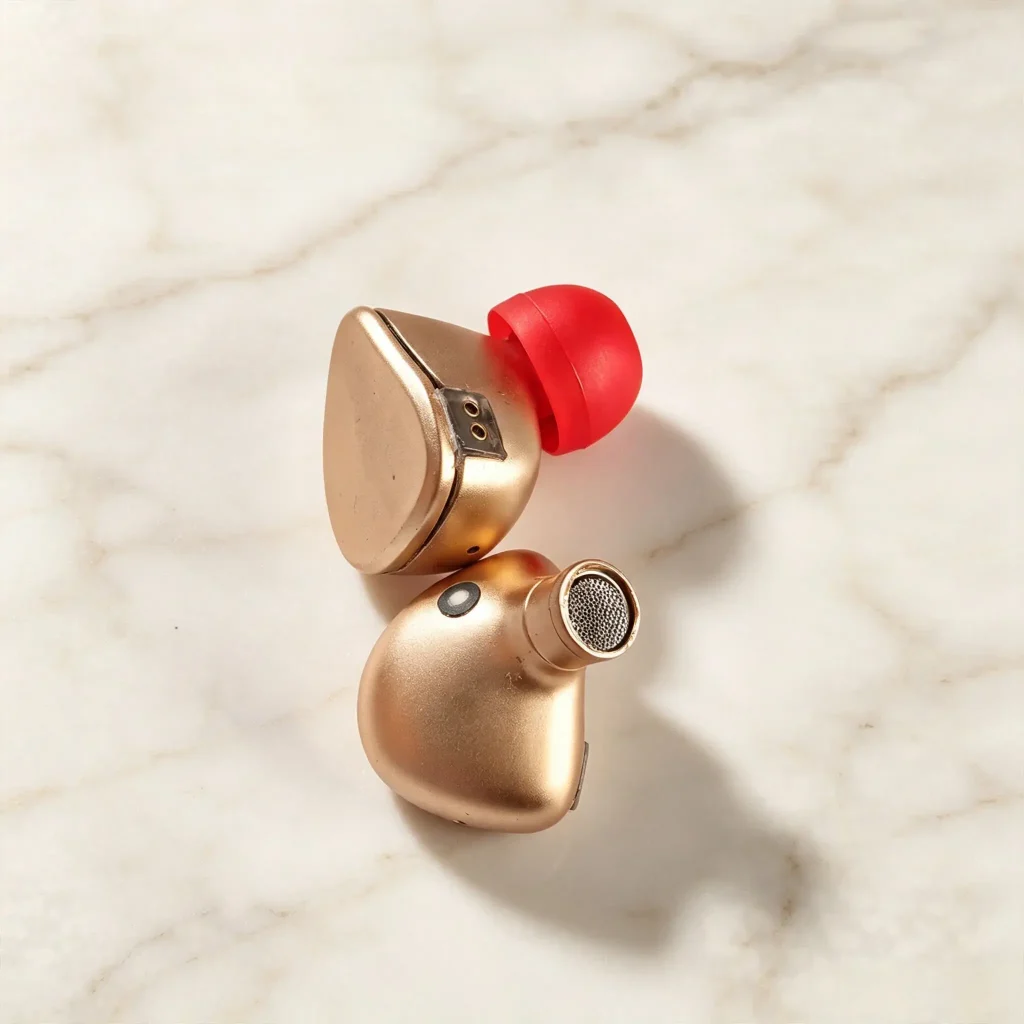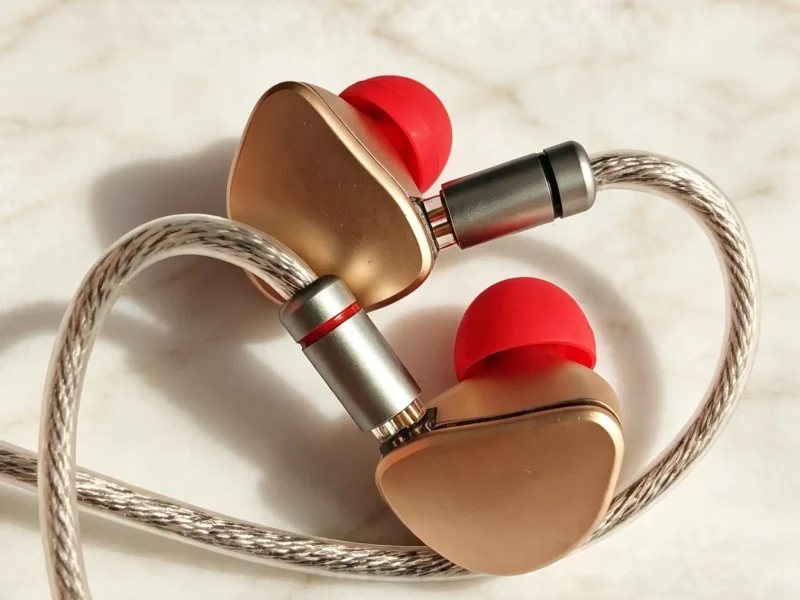
Many entry-level in-ear earphones suffer from unbalanced sound, uncomfortable fit, or flimsy plastic housings that wear out quickly. The micro cavity zinc alloy single driver IEM combines a mature single dynamic driver structure with precision mini zinc alloy housing. Tuned for balanced, fatigue-free sound and comfortable long-time wear, it is a great daily choice for commuting, home listening and general everyday use.
1. Single Dynamic Driver Structure: Designed for Daily Listening
The single dynamic driver is a proven mainstream structure for entry-level earphones. It uses one diaphragm to reproduce the full frequency range from bass to treble, without complicated crossover components. It perfectly matches common daily scenarios: pop vocals, light music, short video playback and casual gaming.You can learn more about different IEM driver types in our full guide:What are the different types of IEMs (dynamic, armature, hybrid)?
- Smartphone-friendly: No extra amplifier or DAC required. It works perfectly with mobile phones, tablets and laptops for direct playback.
- Smooth balanced sound: Natural transitions between vocals and instruments, tuned for long listening without auditory fatigue.
- Compact structure layout: Fewer internal components free up space for a tiny cavity design, laying the foundation for ultra-comfortable daily wear.
2. Acoustic Features & Material Advantages of Zinc Alloy Housing
2.1 Acoustic Benefits
- Reduce unwanted resonance: Regular plastic housings have low rigidity and easily create extra resonance and muddy bass. High-density zinc alloy suppresses internal standing waves, reducing unwanted noise, delivering a cleaner background sound and clearer audio layers.
- High-precision airtight cavity: Die-cast zinc alloy achieves tight tolerance (±0.05mm), creating a well-sealed micro cavity. It fixes the common thin/bass-light sound problem of tiny plastic earphones and delivers full, natural bass response.
- Improved passive noise isolation: The dense metal shell blocks part of external ambient noise. Paired with silicone ear tips, it performs better than small plastic earphones for daily commuting and office environments.
2.2 Durability & Structural Advantages
- Scratch-resistant & anti-ageing: Sandblasted or electroplated zinc alloy resists scratches, fading and yellowing caused by daily friction, extending service life compared to ordinary plastic earphones.
- Stable acoustic structure: Unlike thin plastic shells that deform gradually, zinc alloy maintains its shape over long-term use, preserving consistent sound quality without acoustic degradation.
- Balanced weight design: Lighter than stainless steel and offering better acoustic damping than pure aluminium. Combined with the micro cavity shape, it avoids the heavy, ear-pulling feeling common with large metal earphones.If you are interested in custom-fitted IEM designs, check our guide:What are in-ear monitors (IEM) and why are they so popular among musicians and audiophiles?
2.3 Honest Limitations of Zinc Alloy Material
- The metal shell feels cold to touch in low-temperature environments.
- Slightly heavier than full-plastic micro earphones; users with extremely sensitive ear canals may feel mild pressure after more than 2 hours of continuous wear.
- Higher raw material and die-casting costs than standard plastic injection moulding; it is an upgraded material choice in the entry price range.
3. Micro Cavity Design: Fixing Traditional Metal IEM Fit Issues
Traditional metal in-ear earphones usually have large housings, causing pain for narrow ear canals and female listeners after long wear. This model adopts an ergonomic micro cavity shaped to fit the natural ear cavity:
- It follows the ear anatomy instead of forcing expansion of ear canals, significantly reducing fatigue during commuting, office work or rest listening.
- Tuned carefully to maintain deep bass and musical atmosphere, solving the thin sound issue common in ultra-small earphones.
- Ultra-compact and easy to store, perfect for daily commutes and short trips.
4. Frequently Asked Questions
Q1: Does a single driver IEM sound worse than multi-driver IEMs?
A: They serve different purposes, and neither is inherently better. Multi-driver IEMs are built for audiophile critical listening and complex orchestral music. This single driver IEM has a balanced pop tuning that matches daily casual listening, video streaming and general use, fully meeting regular listening needs.
Q2: Are zinc alloy earphones too heavy for long wear?
A: The micro cavity design optimises overall weight, with comfortable 1–2 hour daily wear for most people. Users with highly sensitive ears can switch to smaller silicone ear tips to reduce pressure further.
Q3: Is noise isolation sufficient with such a tiny cavity?
A: The dense zinc alloy shell provides basic passive isolation, combined with silicone ear tips for dual noise reduction. It works well for typical daily environments including subway commutes and offices.
Conclusion
The micro cavity zinc alloy single driver IEM combines balanced single-driver tuning with a precision mini zinc alloy housing, achieving natural sound, comfortable daily wear and improved durability. It is a practical entry-level in-ear monitor for general listeners who want neutral sound and long-term daily comfort.
Also read our related audiophile IEM guide:
Related Articles:What are the different types of IEMs (dynamic, armature, hybrid)?
What are in-ear monitors (IEM) and why are they so popular among musicians and audiophiles?