What are the different types of IEMs (dynamic, armature, hybrid)?
Studio mixers, touring musicians and audiophile hobbyists often get confused by IEM driver labels.
If you shop for professional in-ear monitors, you will constantly see three core types: dynamic single-driver, balanced armature (BA), and hybrid multi-driver IEMs. Many beginners ask what real audio differences separate them, and which fits stage performance, studio mixing or daily HiFi listening.
1. Dynamic Driver IEMs
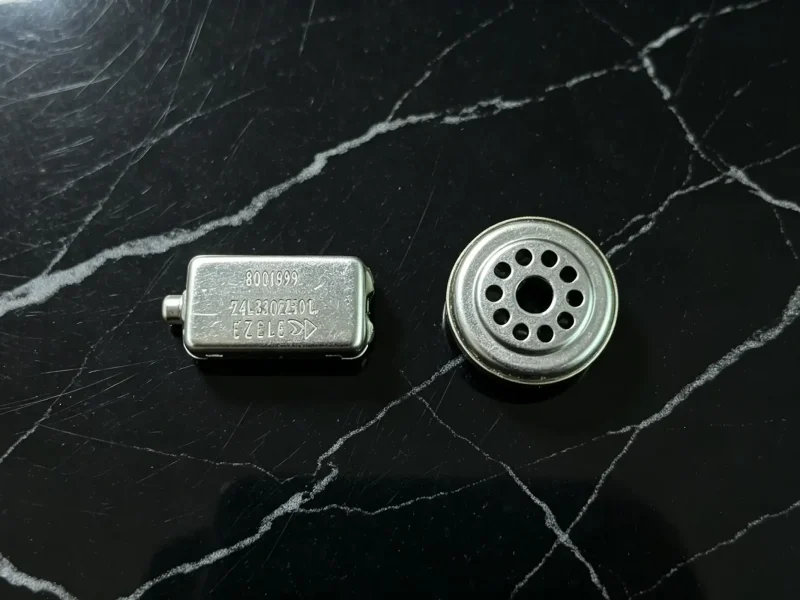
Dynamic units use moving coil diaphragms, the same core design inside consumer earbuds.
- Strengths: Rich, full low-frequency bass, natural warm vocal texture, low production cost, easy to drive with all audio players.
- Professional limitations: Weaker high-frequency extension, less precise detail layering; not ideal for critical studio monitoring that demands ultra-flat frequency response.
- Best users: Casual music fans, pop listeners, hobby audiophiles focused on warm bass.
2. Balanced Armature (BA) IEMs
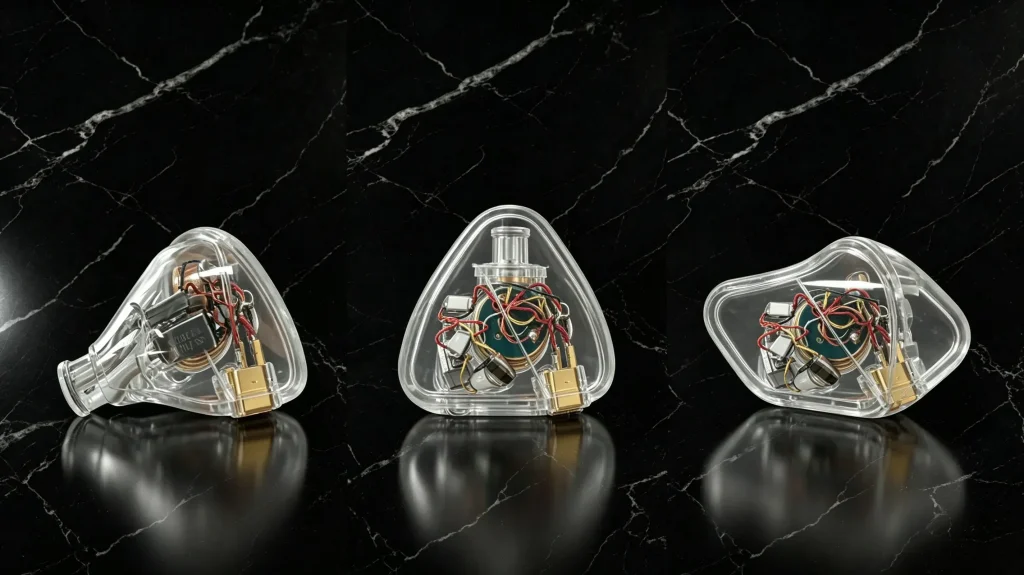
Balanced armature drivers are tiny metal magnetic modules originally designed for hearing aids, the dominant tech for stage Custom IEMs.
- Strengths: Super tight, accurate mids and crisp transparent highs; separate drivers can handle isolated frequency bands for surgical audio detail, zero bass bleed into vocal ranges. Perfect for live performers to hear their voice clearly against loud stage backing tracks.
- Limitations: Stock single BA units lack satisfying deep bass; multiple armature drivers raise product cost significantly.
- Best users: Live singers, studio engineers, critical audiophiles chasing neutral reference sound.
3. Hybrid IEMs (Dynamic + Balanced Armature Combined)
Hybrid IEMs merge dynamic bass drivers and separate balanced armature mid/high drivers into one shell.
- Strengths: Combines dynamic full bass impact with BA’s ultra-detailed mids and highs; balances warm musicality and professional reference clarity without tradeoffs. Multi-driver hybrid models can split frequency bands for precise studio-grade tuning.
- Limitations: Complex internal acoustic crossovers add manufacturing difficulty; poorly tuned hybrid designs cause frequency gaps or phase distortion.
- Best users: Professional studio monitoring, touring bands, high-end custom IEM buyers who want both heavy bass and surgical audio detail.
Professional Selection Guide
There is no universal “best” IEM driver type — your use case decides the right design:
- Live stage performance / studio mixing: Balanced Armature or well-tuned hybrid CIEMs deliver the flat, isolated monitoring sound professionals rely on.
- Casual daily listening, pop & EDM fans: Single dynamic driver IEMs deliver satisfying bass at lower cost.
- High-end audiophile collection & multi-scenario studio work: Multi-driver hybrid Custom IEMs strike the perfect balance of low-end weight and high-end resolution.
FAQ Section
Q1: Which IEM driver type works best for live stage performance?
A: Balanced Armature (BA) IEMs are the top choice for touring musicians. They deliver ultra-crisp mids and highs so singers can clearly hear their voice above loud stage backing tracks. If you want deeper bass without losing vocal clarity, well-tuned hybrid multi-driver custom IEMs are a great alternative. You can learn more about professional stage monitoring design in our article: Why do audiophile IEMs almost never have an inline mic?
Q2: Are hybrid IEMs better than single dynamic driver IEMs for studio mixing?
A: For critical studio reference mixing, properly tuned hybrid IEMs outperform single dynamic units. Dynamic-only IEMs lack precise high-frequency detail, while hybrid models combine full bass and surgical mid/high resolution to match flat studio tuning standards.
Q3: Do balanced armature IEMs need special audio players to sound good?
A: Most BA IEMs have low impedance and high sensitivity, so they work with phones, audio interfaces and portable music players without extra amps. Multi-BA custom IEMs perform best with clean, low-noise audio sources to avoid signal distortion.
Q4: Can I replace dynamic or BA drivers inside my custom IEM shell later?
A: Yes. Most CIEM with detachable 2-pin/MMCX wiring support driver upgrades. If you’re comparing universal vs custom monitor flexibility, read our full comparison:https://blseeker.com/product-category/hifi-iem-earbuds/
Q5: What are the main drawbacks of single balanced armature IEMs?
A: Single BA drivers lack powerful deep bass response, which makes them less ideal for EDM, hip-hop and bass-heavy music fans. Multiple BA drivers or hybrid structures fix this weakness at a higher manufacturing cost.
If you want to dig deeper into professional IEM design tradeoffs, check our two related technical guides:
- https://blseeker.com/why-audiophile-iem-no-inline-mic/ – Learn why high-end audiophile monitors skip built-in inline microphones for pure studio sound
- https://blseeker.com/what-are-iem-for-australian-musicians/ – Full breakdown of what IEMs are and their core advantages for live performers and audiophiles