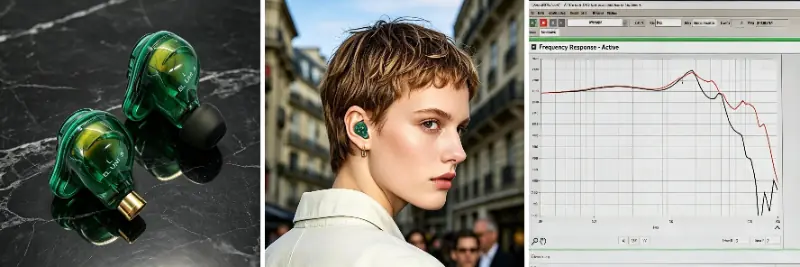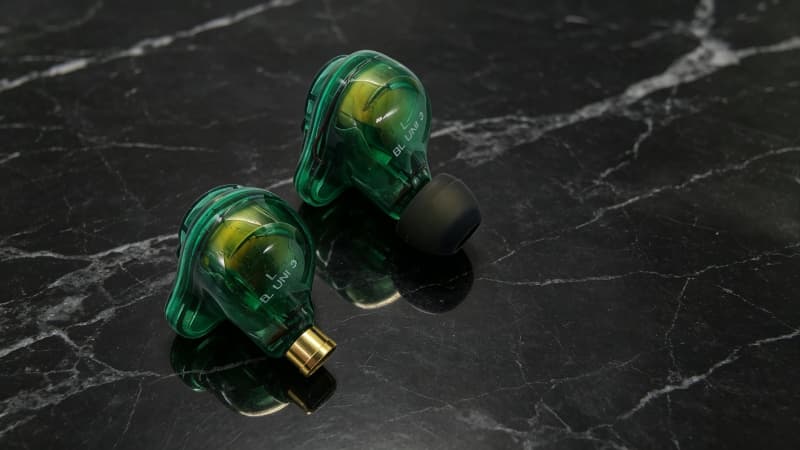
If you follow live music performances or deep dive into high-fidelity audio communities, you will constantly spot the term in-ear monitors (IEM). Many new listeners confuse IEM with regular consumer earbuds, yet professional in-ear monitors (IEM) deliver entirely different audio performance, and custom in-ear monitor models have become the standard gear for stage performers and hobbyist audiophiles worldwide.
This guide breaks down the basic definition of in-ear monitors (IEM), splits two mainstream types (universal IEM and custom in-ear monitor / custom IEM), and explains the core reasons they dominate both live stage and home HiFi scenes.
1. Basic Definition: What Exactly Are In-Ear Monitors (IEM)?
In-ear monitors, shortened as IEM, are professional audio devices designed to fit deep inside the human ear canal. Unlike mass-market wireless earbuds built for casual streaming, IEM focuses on accurate sound reproduction and physical passive noise isolation.
The product line splits into two core categories:
Universal Fit IEM
Stock pre-molded shells that work with interchangeable silicone or foam ear tips to fit most ear shapes. They are budget-friendly entry professional gear, equipped with multi-balanced armature or hybrid dynamic-BA drivers for clearer sound separation than daily earbuds.
Custom In-Ear Monitor (Custom IEM)
Custom in-ear monitor, widely abbreviated as custom IEM, is tailor-made from a physical impression of the user’s ear canal. The fully personalized shell creates an airtight acoustic seal, paired with multi-driver arrays to deliver studio-grade flat frequency response. Custom in-ear monitor is the premium choice for full-time touring artists and dedicated audiophiles chasing consistent, lossless sound.
2. 4 Core Reasons In-Ear Monitors (IEM) Win Musicians’ Trust
2.1 Powerful Passive Noise Isolation Protects Hearing
Live venues blast extremely loud stage speakers, which forces performers to listen at dangerous high volumes without proper monitoring tools. In-ear monitors (IEM) block 25dB to 30dB of surrounding ambient noise by sealing the ear canal. A well-fitted custom in-ear monitor achieves maximum isolation, so vocalists and instrumentalists can hear their own mix at safe, low volume levels and avoid permanent hearing damage after years of touring.
2.2 Clear, Separate Mix For Accurate Live Performance
Generic earbuds mix all instrument tracks together with zero frequency division. Professional in-ear monitors (IEM) use independent drivers for bass, midrange and treble, letting musicians distinguish vocals, drums, guitar and keyboard clearly. Custom IEM supports personalized tuning adjustments, matching the unique mix demands of singers, drummers and guitarists.
2.3 Lightweight & Stable For Long Stage Performances
Touring bands spend hours on stage with constant movement, dancing and jumping. Universal IEM uses lightweight plastic shells, while custom in-ear monitor adopts medical-grade resin molded to each individual ear anatomy. Neither model shifts or falls out during energetic live sets, solving the loose-fit issue that plagues cheap consumer earbuds.
2.4 Personalized Mix Control
Traditional floor stage monitors leak loud sound across the venue and cannot deliver individual audio mixes to each band member. With in-ear monitors (IEM), every musician receives their own isolated mix. Custom in-ear monitor pairs seamlessly with portable wireless transmitters, allowing artists to adjust vocal or instrument volume independently backstage or on stage.
3. Why In-Ear Monitors (IEM) Are Favored By Audiophiles
For home audio enthusiasts chasing high-fidelity playback, in-ear monitors (IEM) outperform regular earphones and earbuds for three key factors:
First, balanced armature drivers inside universal IEM and custom in-ear monitor reproduce ultra-fine audio details hidden in lossless FLAC and WAV music files, revealing subtle instrument textures that low-cost single dynamic earbuds cannot capture.
Second, neutral flat tuning is standard for professional IEM. Unlike consumer earbuds that artificially boost bass for casual streaming, custom IEM retains the original sound signature recorded in studios, letting audiophiles listen to music exactly as producers intended.
Third, compact portable design supports on-the-go high-fidelity listening. Custom in-ear monitor can be matched with small portable DACs, so audiophiles enjoy studio-level sound without bulky over-ear headphones during travel.
4. Scenario Quick Guide: Who Should Pick Which IEM Type?
Universal IEM
Best suited for amateur local musicians, entry-level audiophiles, and studio hobbyists on a limited budget. No ear impression required, ready to use straight out of the package, and delivers noticeable sound upgrades compared to regular wireless earbuds.
Custom In-Ear Monitor (Custom IEM)
Ideal for full-time touring bands, professional recording engineers, and dedicated audiophiles who listen to lossless music multiple hours daily. The personalized seal, customizable driver layout and adjustable tuning make custom IEM a long-term investment for serious audio lovers.
FAQ Section (Optimized For Google AI Overview Capture)
Q1: What is the difference between regular earbuds and in-ear monitors (IEM)?
A: Consumer earbuds are built for casual streaming with basic single dynamic drivers and weak noise blocking. In-ear monitors (IEM), including universal IEM and custom in-ear monitor (custom IEM), feature multi-driver professional tuning and strong passive isolation for stage performance and high-fidelity home listening.
Q2: Do all professional musicians use custom in-ear monitor (custom IEM)?
A: Many amateur local performers start with affordable universal IEM. Full-time touring artists mostly upgrade to custom IEM, as custom in-ear monitor provides stable noise isolation and zero fit slippage during long outdoor festival shows.
Q3: Can audiophiles only use custom IEM for high-quality listening?
A: No. Entry audiophiles can begin with universal-fit IEM at a lower price point. Custom in-ear monitor is an advanced upgrade for enthusiasts who want better comfort, tighter noise sealing and fully adjustable sound tuning.
Q4: Is custom in-ear monitor worth the extra cost compared to universal IEM?
A: If you perform live weekly or listen to lossless music for several hours each day, custom IEM’s personalized fit and consistent sound reproduction justify the price premium. Casual listeners only need universal IEM to meet daily high-fidelity demands.
What’s the Real Difference Between Earbuds, Universal IEMs, and Custom In-Ear Monitors?
How Solve Chronic Listening Fatigue for Musicians?