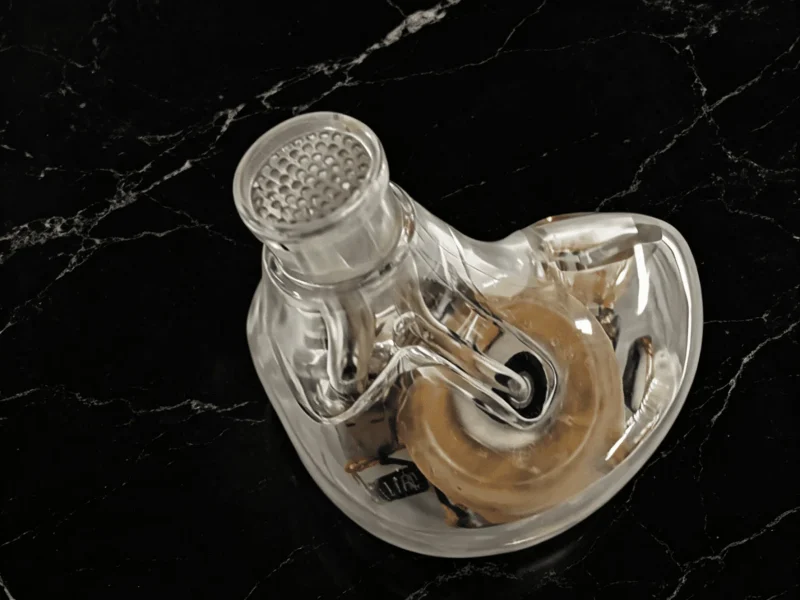
Custom IEMs are not limited to stage monitoring. They also work well in industrial sites, outdoor events, field recording, and high-noise environments where people need both communication and passive noise reduction.
The advantage over standard earplugs is simple: a custom shell follows the ear canal, so it can reduce ambient noise while still allowing speech, radio audio, or environmental cues to pass through at a controlled level. That makes custom IEMs useful for crews, technicians, engineers, and outdoor professionals who cannot fully shut out their surroundings.
Where Custom IEMs Fit in High-Noise Work
Custom IEMs can be practical in environments such as:
- film and live event crews;
- outdoor festivals and temporary stages;
- equipment testing areas;
- workshop and maintenance zones;
- outdoor shooting ranges with appropriate protection planning;
- field recording and location sound work.
They are not automatically certified hearing protection. Brands should position them as custom-fit monitoring and isolation devices unless the final product has passed the required industrial safety tests.
Why Fit Matters More Outdoors
Outdoor and industrial environments often contain irregular noise: wind, engines, generators, tools, crowd noise, and sudden impacts. A loose fit lets low-frequency energy leak in first. That is why shell accuracy matters.
A well-fitted custom shell improves passive isolation without forcing the user to remove one side to hear instructions. This is important for safety communication on site. Our [Custom Ear Impression Kits] help brands improve first-fit accuracy and reduce return rates caused by poor impressions.
Choosing Filters and Vents for Real Work Environments
Filter and vent choices should match the environment, not just the desired sound signature.
- Higher attenuation filters suit louder, more continuous environments.
- Moderate attenuation filters work where speech clarity and situational awareness are still needed.
- Vented designs improve comfort and ambient awareness but reduce isolation.
- Closed designs provide stronger passive reduction but can feel more isolated.
For B2B buyers, the key is offering clear guidance. A drummer’s filter choice and a site technician’s filter choice may look similar on paper, but their risk profiles are different. Our [High-Attenuation Acoustic Filters] allow brands to build product lines with different attenuation levels while keeping shell production consistent.
Materials and Durability for Harsh Use
Industrial and outdoor use places more stress on the shell than typical studio use.
- PMMA/acrylic shells are rigid, easy to clean, and stable over time.
- Soft silicone or hybrid shells can improve comfort for long wear, but deformation may affect seal consistency.
- Moisture, dust, and sweat can clog filters faster, so replacement intervals should be shorter.
- Cable strain relief matters more when users move around equipment, vehicles, or outdoor rigs.
Brands should also consider hygiene. Devices shared between crew members need clear cleaning protocols, replaceable tips or sleeves where applicable, and accessible filter maintenance.
Compliance and Positioning for Brands
This is where many brands make mistakes. “Custom fit” does not equal “certified PPE.” If a product will be sold as industrial hearing protection, it must meet the relevant regional standards and carry the correct labeling.
For most custom music IEMs, a safer positioning is:
- passive isolation for monitoring;
- reduced exposure through better fit;
- improved communication in noisy environments;
- optional attenuation filters for different noise levels;
- not a substitute for certified industrial ear protection unless tested.
Clear wording protects both the end user and the brand.
Q&A
Q: Can custom IEMs be used as industrial hearing protection?
Only if the final product has been tested and certified under the applicable standards. Most custom music IEMs are not certified PPE. They can still provide passive isolation, but brands should not present them as certified protection without proper documentation.
Q: Which is better for outdoor work, vented or closed shells?
Closed shells provide more isolation. Vented shells improve ambient awareness and comfort. The right choice depends on whether the user must hear alarms, radios, vehicles, or team instructions.
Q: Do custom IEMs work in windy environments?
They can reduce wind noise inside the ear canal, but wind hitting the outer shell or cable may still be audible. For field recording or outdoor broadcast, cable management and shell shape matter as much as filter choice.
Q: How often should filters be replaced in industrial use?
In dusty, sweaty, or high-use environments, filters should be checked more often. Many users benefit from monthly inspection and replacement every 1–3 months, depending on conditions.
Q: What should OEM buyers specify for industrial-focused IEMs?
Specify shell material, filter attenuation range, vent size, cable durability, hygiene requirements, and whether the product will be marketed as monitoring equipment or certified hearing protection.
Related Reads:Custom IEMs for Musicians: Monitoring and Hearing Safety
Custom IEMs: Can They Be Used for Hearing Protection? Why Work With a China OEM IEM Manufacturer?