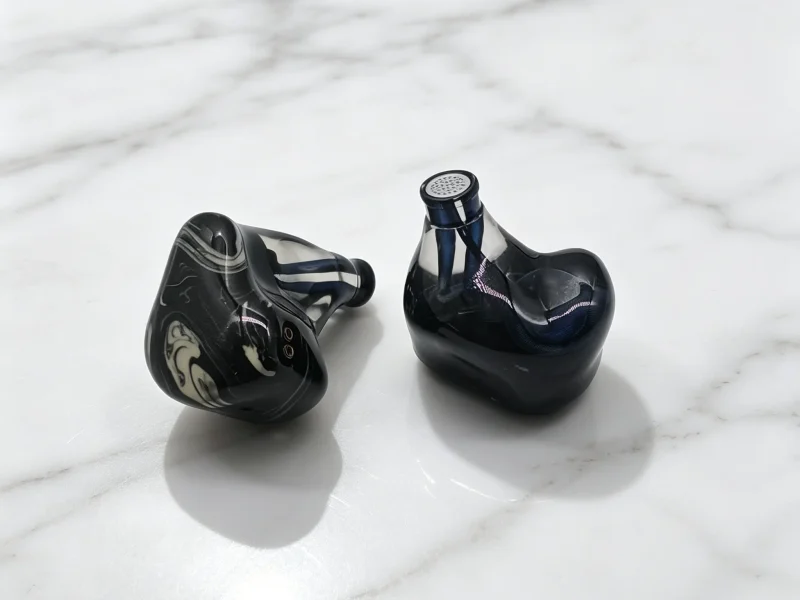
Is Custom IEM OEM & ODM Worth Investing For Audio Brands? Complete Guide
Many owners of audio equipment stores, recording studios, and instrument shops face the same dilemma: whether to launch their own branded custom in-ear monitors. Selling off-the-shelf universal IEMs saves time and communication costs, while custom OEM/ODM IEM cooperation requires design communication, prototyping, and small upfront trial costs.
This guide breaks down mainstream custom modes and shell material differences for brand owners to make clear investment decisions.
First, clarify core industry definitions: Custom in-ear monitors are collectively called Custom IEM / CIEM in the audio industry. Most beginners confuse branded bulk custom orders with individual musician ear impressions:
- Personal ear impression CIEM: Custom single shell to fit one musician’s unique ear canal, for solo stage performers.
- Brand OEM / ODM custom IEM: Create exclusive brand ID appearance, independent acoustic tuning curves, mass supplied to bands, recording studios, audiophiles, and industrial clients, not limited to one person’s ear mold.
1. Mainstream Custom IEM Shell Materials & Matching Client Groups
1.1 3D Resin Printed Shell (Industry Standard)
Nearly all professional stage monitor brands adopt 3D resin printing shells. Fast molding, lightweight, ergonomic for long wear, and balanced production cost. It fits professional touring musicians, mixing engineers, and entry-level audiophiles perfectly. It is the top choice for audio brand private label OEM & ODM bulk orders, compatible with most wholesale customer groups.
Custom IEMs Explained: The Science Behind Custom In-Ear Monitors]
1.2 Injection Mold Hard Plastic Shell
Only mass low-budget entry monitors use injection molding shells. High one-time mold opening cost, limited shape modification space, plain texture with weak differentiation. Not recommended for mid-to-high-end audio brands chasing premium positioning; only suitable for low-price bulk commodity sales.
1.3 Zinc Alloy Metal Shell (Premium Segmented Line)
Resin remains mainstream, but zinc alloy metal shells act as high-margin differentiated product lines for brands. Premium metallic texture, high-density cavity for stable acoustic performance, and higher tuning ceiling. Two high-value niche customer groups match zinc alloy custom IEMs:
- HIFI audiophiles: Pursue premium housing texture, lossless clean sound, willing to pay premium prices for stable metal acoustic cavities.
- Industrial & competition scenarios: Motor racing, outdoor sports, industrial noise reduction monitoring. Zinc alloy shells are shockproof and wear-resistant for high-intensity noisy environments.
2. OEM Private Label vs ODM Exclusive Custom IEM Modes
2.1 OEM Simple Private Label Custom
Manufacturer supplies mature off-the-shelf IEM molds, only minor adjustments: brand logo printing, package replacement, wire color matching. Driver unit, shell shape, and tuning curve keep original factory design. Low minimum order quantity, perfect for new audio brands testing market response with small batches.
Micro Zinc Alloy Single Driver IEM: Balanced Everyday Earphones for Beginners]
2.2 ODM Exclusive Deep Custom
Full independent brand product development: original appearance ID design, internal driver matching adjustment, exclusive customized acoustic tuning curve. Can combine 3D resin shells and zinc alloy metal shells to build differentiated product lines. Zero identical products on the market with higher profit margin space, suitable for brands with stable customer channels and long-term independent brand operation plans.
3. Why More Audio Brands Choose Custom IEM OEM & ODM Cooperation
3.1 Escape Low-Price Competition & Build Unique Product Advantages
Generic resin universal IEMs share identical appearances across suppliers, forcing brands to compete solely on low prices online and offline. With deep ODM customization, brands can launch mainstream resin stage IEMs plus premium zinc alloy segmented series. Exclusive tuning and unique shell ID eliminate identical competitors, stabilizing wholesale profit margins.
Our factory supports single dynamic driver custom schemes, dual options of resin and zinc alloy housings. One-stop solution for mass stage monitors, audiophile premium lines, and industrial racing custom orders.
3.2 Cover Multi-Stable Wholesale Customer Groups & Expand Sales Channels
Custom IEM buyers are not limited to stage singers and studio mix engineers; multiple segmented tracks bring steady repeat orders:
- Offline recording studios & vocal training academies: For in-class recording use, plus retail IEM sales to boost extra revenue.
- Musical instrument & audio equipment retailers: Supply local musicians and audiophile communities.
- Cross-border D2C audio brands: Bulk orders for overseas bands and home recording studios.
- HIFI audiophile communities: High unit-price zinc alloy metal custom IEMs as flagship SKUs.
- Industrial & motorsport channels: Custom noise-isolation monitoring earpieces for racing and outdoor competitions.
Layered product lines capture both mass professional clients and high-margin niche buyers, securing long-term repeat wholesale orders.
3.3 Low MOQ Trial Sales, No Mass Inventory Pressure
Most brand owners worry about ultra-high minimum order quantities for custom manufacturing, which creates heavy capital stock pressure. We launch low-threshold private label solutions for small & medium audio brands. Both OEM logo printing and ODM exclusive new shell development support small-batch prototyping test sales. Brands can place follow-up bulk orders after positive market feedback, greatly lowering startup inventory risks.
3.4 Accumulate Independent Brand Assets & Private Domain Repeat Clients
Reselling generic ready-made IEMs lets customers remember the original factory brand, not your store label. With exclusive OEM/ODM custom monitors, all shells, tuning, and packaging carry your independent brand logo. All repeat purchases and referrals target your own brand, building long-term loyal client pools for offline physical stores and cross-border independent station wholesale business.
4. Practical Factors To Consider Before Investing In Custom IEM Manufacturing
4.1 ODM Deep Custom Needs Extra Prototyping Lead Time
OEM logo modification delivers fast turnaround for quick market stocking. ODM exclusive ID design, original acoustic tuning, and zinc alloy metal shell development require 3D modeling, multiple sound tuning samples, adding 1–2 weeks production lead time. ODM fits brands with medium & long-term layout instead of urgent short-term stock preparation.
4.2 Layered Stock Allocation To Control Capital Pressure
3D resin printed IEMs have wide audience coverage and moderate unit price, set as core mass inventory line. Zinc alloy metal shells belong to niche premium series; maintain small stock volume only for audiophile and industrial racing clients to avoid overstock.
4.3 Prioritize One-Stop Full-Process Custom Manufacturers
Small workshops only support simple logo printing, unable to deliver integrated services including 3D resin printing, zinc alloy metal housing, independent acoustic tuning, and assembly. Reliable full-process suppliers finish modeling, shell production, tuning debugging, and spray painting assembly in-house, saving cross-factory communication time and hidden costs.
What are the different types of IEMs (dynamic, armature, hybrid)?]https://blseeker.com/ifferent-types-of-iems-dynamic-armature-hybrid/
5. Conclusion: When Should Audio Brands Invest In Custom IEM OEM / ODM?
Custom private label IEM manufacturing is highly worthy of investment if your business meets the below conditions:
Your customer groups cover professional musicians, recording studios, plus expandable HIFI audiophile & industrial racing niche channels; you want differentiated products to escape homogeneous low-price competition, and accept small-batch trial sales plus short extra prototyping cycles. Custom OEM & ODM stably lifts wholesale profit and accumulates exclusive brand loyal clients long-term.
If you only have scattered retail customers without stable professional audio, audiophile, or industrial bulk channels, start with simple OEM private label off-the-shelf IEMs for market testing first, delay deep ODM exclusive shell investment temporarily.
Is Custom IEM OEM & ODM Worth Investing For Audio Brands? Complete Guide
Many owners of audio equipment stores, recording studios, and instrument shops face the same dilemma: whether to launch their own branded custom in-ear monitors. Selling off-the-shelf universal IEMs saves time and communication costs, while custom OEM/ODM IEM cooperation requires design communication, prototyping, and small upfront trial costs.
This guide breaks down mainstream custom modes and shell material differences for brand owners to make clear investment decisions.
First, clarify core industry definitions: Custom in-ear monitors are collectively called Custom IEM / CIEM in the audio industry. Most beginners confuse branded bulk custom orders with individual musician ear impressions:
- Personal ear impression CIEM: Custom single shell to fit one musician’s unique ear canal, for solo stage performers.
- Brand OEM / ODM custom IEM: Create exclusive brand ID appearance, independent acoustic tuning curves, mass supplied to bands, recording studios, audiophiles, and industrial clients, not limited to one person’s ear mold.
1. Mainstream Custom IEM Shell Materials & Matching Client Groups
1.1 3D Resin Printed Shell (Industry Standard)
Nearly all professional stage monitor brands adopt 3D resin printing shells. Fast molding, lightweight, ergonomic for long wear, and balanced production cost. It fits professional touring musicians, mixing engineers, and entry-level audiophiles perfectly. It is the top choice for audio brand private label OEM & ODM bulk orders, compatible with most wholesale customer groups.
1.2 Injection Mold Hard Plastic Shell
Only mass low-budget entry monitors use injection molding shells. High one-time mold opening cost, limited shape modification space, plain texture with weak differentiation. Not recommended for mid-to-high-end audio brands chasing premium positioning; only suitable for low-price bulk commodity sales.
1.3 Zinc Alloy Metal Shell (Premium Segmented Line)
Resin remains mainstream, but zinc alloy metal shells act as high-margin differentiated product lines for brands. Premium metallic texture, high-density cavity for stable acoustic performance, and higher tuning ceiling. Two high-value niche customer groups match zinc alloy custom IEMs:
- HIFI audiophiles: Pursue premium housing texture, lossless clean sound, willing to pay premium prices for stable metal acoustic cavities.
- Industrial & competition scenarios: Motor racing, outdoor sports, industrial noise reduction monitoring. Zinc alloy shells are shockproof and wear-resistant for high-intensity noisy environments.
2. OEM Private Label vs ODM Exclusive Custom IEM Modes
2.1 OEM Simple Private Label Custom
Manufacturer supplies mature off-the-shelf IEM molds, only minor adjustments: brand logo printing, package replacement, wire color matching. Driver unit, shell shape, and tuning curve keep original factory design. Low minimum order quantity, perfect for new audio brands testing market response with small batches.
2.2 ODM Exclusive Deep Custom
Full independent brand product development: original appearance ID design, internal driver matching adjustment, exclusive customized acoustic tuning curve. Can combine 3D resin shells and zinc alloy metal shells to build differentiated product lines. Zero identical products on the market with higher profit margin space, suitable for brands with stable customer channels and long-term independent brand operation plans.
3. Why More Audio Brands Choose Custom IEM OEM & ODM Cooperation
3.1 Escape Low-Price Competition & Build Unique Product Advantages
Generic resin universal IEMs share identical appearances across suppliers, forcing brands to compete solely on low prices online and offline. With deep ODM customization, brands can launch mainstream resin stage IEMs plus premium zinc alloy segmented series. Exclusive tuning and unique shell ID eliminate identical competitors, stabilizing wholesale profit margins.
Our factory supports single dynamic driver custom schemes, dual options of resin and zinc alloy housings. One-stop solution for mass stage monitors, audiophile premium lines, and industrial racing custom orders.
3.2 Cover Multi-Stable Wholesale Customer Groups & Expand Sales Channels
Custom IEM buyers are not limited to stage singers and studio mix engineers; multiple segmented tracks bring steady repeat orders:
- Offline recording studios & vocal training academies: For in-class recording use, plus retail IEM sales to boost extra revenue.
- Musical instrument & audio equipment retailers: Supply local musicians and audiophile communities.
- Cross-border D2C audio brands: Bulk orders for overseas bands and home recording studios.
- HIFI audiophile communities: High unit-price zinc alloy metal custom IEMs as flagship SKUs.
- Industrial & motorsport channels: Custom noise-isolation monitoring earpieces for racing and outdoor competitions.
Layered product lines capture both mass professional clients and high-margin niche buyers, securing long-term repeat wholesale orders.
3.3 Low MOQ Trial Sales, No Mass Inventory Pressure
Most brand owners worry about ultra-high minimum order quantities for custom manufacturing, which creates heavy capital stock pressure. We launch low-threshold private label solutions for small & medium audio brands. Both OEM logo printing and ODM exclusive new shell development support small-batch prototyping test sales. Brands can place follow-up bulk orders after positive market feedback, greatly lowering startup inventory risks.
3.4 Accumulate Independent Brand Assets & Private Domain Repeat Clients
Reselling generic ready-made IEMs lets customers remember the original factory brand, not your store label. With exclusive OEM/ODM custom monitors, all shells, tuning, and packaging carry your independent brand logo. All repeat purchases and referrals target your own brand, building long-term loyal client pools for offline physical stores and cross-border independent station wholesale business.
4. Practical Factors To Consider Before Investing In Custom IEM Manufacturing
4.1 ODM Deep Custom Needs Extra Prototyping Lead Time
OEM logo modification delivers fast turnaround for quick market stocking. ODM exclusive ID design, original acoustic tuning, and zinc alloy metal shell development require 3D modeling, multiple sound tuning samples, adding 1–2 weeks production lead time. ODM fits brands with medium & long-term layout instead of urgent short-term stock preparation.
4.2 Layered Stock Allocation To Control Capital Pressure
3D resin printed IEMs have wide audience coverage and moderate unit price, set as core mass inventory line. Zinc alloy metal shells belong to niche premium series; maintain small stock volume only for audiophile and industrial racing clients to avoid overstock.
4.3 Prioritize One-Stop Full-Process Custom Manufacturers
Small workshops only support simple logo printing, unable to deliver integrated services including 3D resin printing, zinc alloy metal housing, independent acoustic tuning, and assembly. Reliable full-process suppliers finish modeling, shell production, tuning debugging, and spray painting assembly in-house, saving cross-factory communication time and hidden costs.
5. Conclusion: When Should Audio Brands Invest In Custom IEM OEM / ODM?
Custom private label IEM manufacturing is highly worthy of investment if your business meets the below conditions:
Your customer groups cover professional musicians, recording studios, plus expandable HIFI audiophile & industrial racing niche channels; you want differentiated products to escape homogeneous low-price competition, and accept small-batch trial sales plus short extra prototyping cycles. Custom OEM & ODM stably lifts wholesale profit and accumulates exclusive brand loyal clients long-term.
If you only have scattered retail customers without stable professional audio, audiophile, or industrial bulk channels, start with simple OEM private label off-the-shelf IEMs for market testing first, delay deep ODM exclusive shell investment temporarily.
Frequently Asked Questions (FAQ)
Q1: Is custom IEM OEM profitable for small audio retailers?
A: Yes, it is highly profitable. Low MOQ OEM private label IEMs avoid heavy inventory pressure, while an exclusive brand logo improves customer stickiness. Furthermore, offering layered product lines (such as 3D resin and zinc alloy) creates a significant profit margin advantage over generic bulk earphones.
Q2: What’s the difference between OEM and ODM custom IEMs for audio brands?
A: OEM involves printing your logo on existing factory molds with unchanged sound tuning and shell shape, requiring an ultra-low MOQ for market testing. ODM involves developing an exclusive appearance ID and independent acoustic tuning, which eliminates identical competitors and offers higher profit margins, though it requires a slightly higher minimum order quantity.
Q3: Which custom IEM shell material fits a mid-to-high-end audio brand positioning?
A: 3D printed resin is ideal as the core mass-market line for professional musicians. Zinc alloy metal shells serve as high-margin flagship products for HIFI audiophiles and industrial racing clients. Injection-molded plastic is generally only suitable for low-cost entry-level commodity brands.
Q4: What minimum order quantity (MOQ) do custom IEM OEM manufacturers usually offer?
A: Professional one-stop custom IEM factories support small-batch trial OEM orders. For ODM exclusive new shell development, they also accept small prototyping batches, meaning new audio brand startups do not need to commit to huge bulk stock requirements.
Q5: How long does it take to get prototype samples for ODM custom zinc alloy IEMs?
A: OEM logo samples typically take 3–5 working days. However, ODM exclusive zinc alloy IEMs require an extra 1–2 weeks for 3D modeling, mold polishing, and multiple acoustic tuning tests before the final sample is delivered.
Q6: Can custom zinc alloy IEMs be used for industrial noise reduction and motor racing scenarios?
A: Yes. High-density zinc alloy housings are shockproof, wear-resistant, and provide excellent passive noise isolation, making them the perfect custom monitor solution for high-noise industrial, motorsport, and outdoor competition use cases.
Related Articles:The Science of Custom IEMs?
What Are IEM and CIEM Earphones? Why Audiophiles Prefer Custom IEM Factory Products