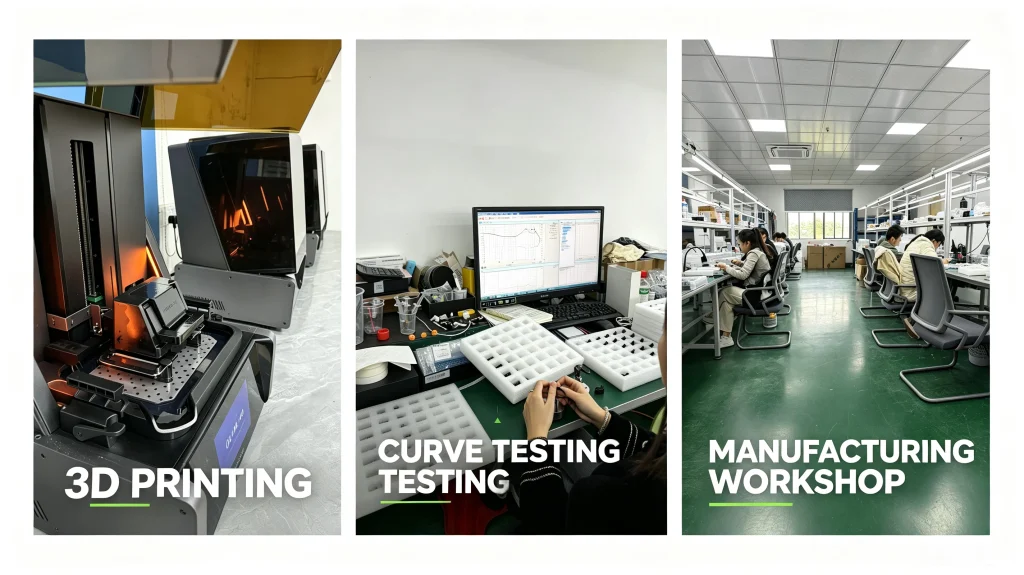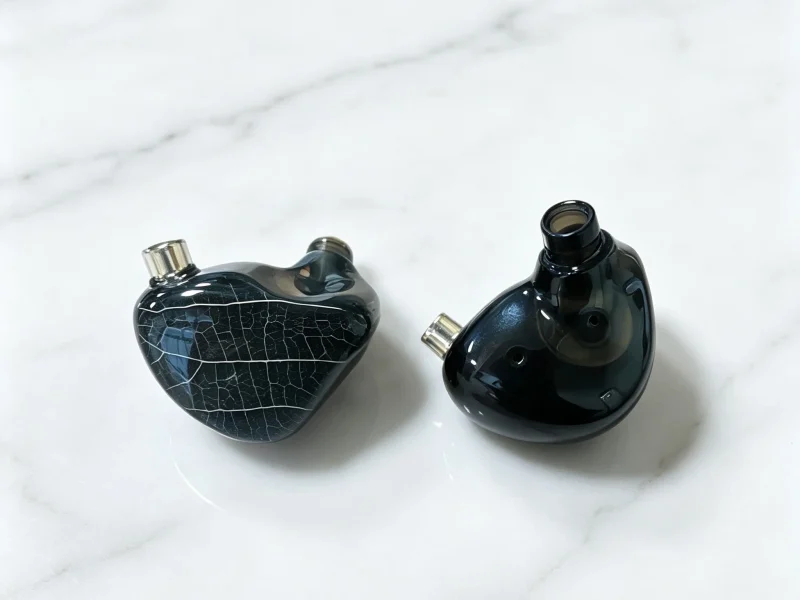
Custom in-ear monitors (IEMs) offer a viable, albeit non-certified, layer of passive hearing conservation for musicians and audio professionals. Unlike generic foam earplugs, custom IEMs provide consistent attenuation through precise acoustic sealing and calibrated filters. However, their effectiveness is strictly bound by manufacturing tolerances and material stability.
From an OEM manufacturing standpoint, “practical” means the device maintains its Noise Reduction Rating (NRR) over time and across different environments. This requires a rigid adherence to acoustic engineering principles rather than marketing claims.
The Acoustic Seal as a Safety Mechanism
Hearing conservation relies on the integrity of the acoustic seal. In custom IEM production, this is the single most critical variable.
- Impression Fidelity: The shell is only as good as the impression it is cast from. Our [Custom Ear Impression Kits] are engineered to capture deep canal geometry and concha contours with high-viscosity material. A shallow or distorted impression results in a shell that cannot maintain a vacuum seal, rendering high-attenuation filters useless.
- Leak Path Tolerance: A gap of merely 1mm can reduce low-frequency attenuation by 10-15dB. Low-frequency energy (bass/kick drums) is the most difficult to block and the first to leak through poor seals.
- Consistency: For a practical solution, the seal must be repeatable. Custom shells eliminate the “fit variance” inherent in universal tips, ensuring that the protection level remains constant from day one to year three.
Filter Calibration for Real-World Exposure
Standard music filters (-9dB, -15dB, -25dB) are designed for sonic transparency, not maximum safety. For hearing conservation in high-SPL environments, filter specification must align with exposure limits.
- Acoustic Resistance: Effective conservation filters use specific mesh densities and baffle geometries to create linear attenuation. This prevents the “muffled” effect that causes users to remove protection, which is the primary failure point of traditional earplugs.
- Industrial vs. Music Grade: While music filters prioritize frequency response flatness, conservation-focused filters may prioritize higher resistance values to meet specific dB reduction targets.
- Testing Protocols: Our [High-Attenuation Acoustic Filters] undergo rigorous acoustic testing at the component level. However, B2B buyers must understand that filter specs are theoretical maximums; real-world protection is always capped by the user’s seal quality.
Material Stability in Harsh Environments
Hearing conservation devices are often worn for 4-8 hours in high-sweat, high-heat environments. Material selection is a functional safety requirement.
- Dimensional Stability: PMMA (acrylic) shells offer superior rigidity and resistance to thermal expansion compared to softer resins. A shell that warps under body heat will break its seal.
- Hygiene & Longevity: Medical-grade materials prevent bacterial growth and skin irritation, ensuring compliance. If a device causes discomfort, it will not be worn, and protection drops to zero.
- Durability: Conservation IEMs must withstand daily insertion/removal cycles without degrading the acoustic bore or filter housing.
Practical Limitations & Compliance
While custom IEMs are a practical tool, they are not a regulatory substitute for certified PPE unless explicitly tested.
- Isolation vs. Certification: “Isolation” is a physical property; “Certification” is a legal standard. Most custom music IEMs lack ANSI/CE certification.
- User Responsibility: Without a certified rating, the user assumes risk. Brands should clearly communicate that these devices are for conservation and awareness, not guaranteed protection against OSHA-violating noise levels.
- Maintenance: Filters clog with earwax and moisture over time, reducing attenuation. A practical conservation program includes regular filter replacement protocols.
Q&A
Q:Can custom IEMs be used for OSHA-compliant hearing protection?
A: Generally, no. Unless the specific model has passed testing and labeling under ANSI/ASA S3.19 or EN 352 standards, it cannot legally serve as primary PPE in regulated industrial environments. They are best suited for musicians and audio engineers who need situational awareness alongside noise reduction.
Q: How often should attenuation filters be replaced?
A: For daily users in high-sweat environments, technicians should inspect filters monthly and replace them every 3-6 months. Clogged filters lose attenuation efficiency and can alter frequency response unpredictably.
Q: Do silicone shells provide better protection than acrylic?
A: Not necessarily. While silicone offers a better initial seal for some ear shapes, it is more prone to deformation over time. For long-term conservation where consistent attenuation is critical, rigid PMMA shells often provide more stable acoustic performance.
Q: Can I upgrade my music IEMs to higher attenuation filters for safety?
A: You can increase the filter’s rated attenuation, but you cannot increase the shell’s physical isolation. If the shell leaks, swapping to a -25dB filter will not compensate for the lost low-frequency seal. The entire system must be evaluated together.
Related Reads:Custom IEMs: Can They Be Used for Hearing Protection?
Why Work With a China OEM IEM Manufacturer?