When an audio brand begins developing a custom in-ear monitor, the conversation usually starts with drivers and tuning. However, one decision shapes the product just as profoundly: selecting the right housing. Specifically, choosing between a Zinc Alloy IEM Shell and standard resin is a critical step that defines durability and acoustic character before a single sound test is run.
The shell is not simply a housing—it is the physical interface between your brand and the listener’s ear. It plays a direct role in comfort, durability, and acoustic character. Today, two manufacturing methods dominate serious custom IEM production: 3D Printed Resin and CNC Machined Zinc Alloy. Both can produce excellent products, but they serve different priorities, price points, and brand identities. This guide breaks down each method independently to help you make an informed decision for your next product line.
The Role of Shell Material in Brand & Sound
Before diving into the specifics, it is crucial to understand why the shell matters. Acoustically, the shell is not neutral. Its mass, rigidity, and internal geometry influence how driver output resonates within the chamber, affecting perceived clarity and tonal balance.
Simultaneously, the shell is the first thing a customer touches, holds, and inserts into their ear—meaning weight, texture, and finish quality directly shape their first impression of build quality. Therefore, choosing between resin and metal is both an acoustic engineering decision and a brand positioning decision.
Why Choose a Zinc Alloy IEM Shell?
The Process Behind SLA/DLP Printing
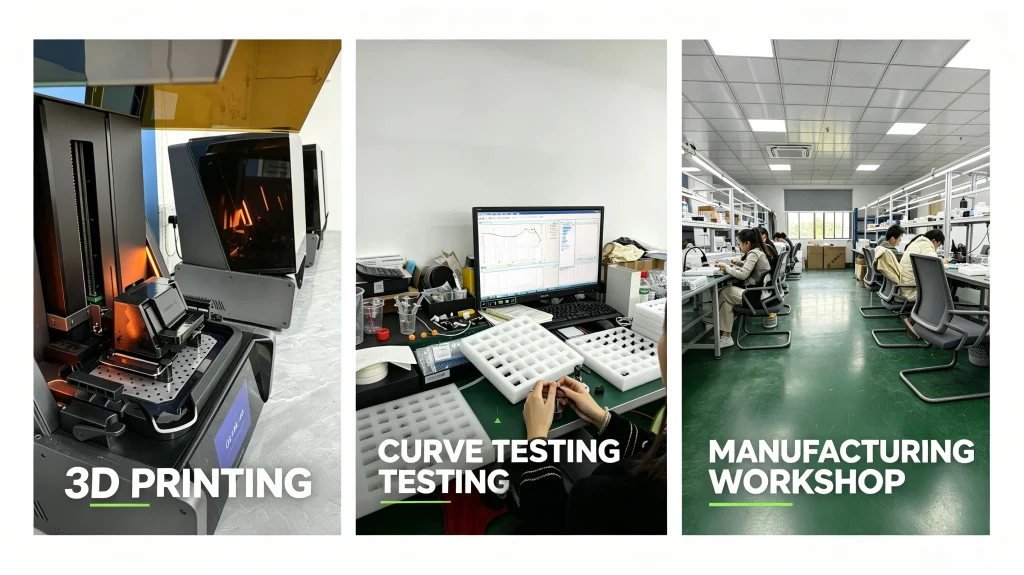
Manufacturers create modern resin IEM shells using Stereolithography (SLA) or Digital Light Processing (DLP). These additive processes use precise light sources to cure liquid photopolymer resin layer by layer. This technology builds shells directly from 3D-scanned ear impressions or standard molds. Consequently, it achieves geometric complexity that traditional casting or machining cannot match.
The result is a shell that offers near-perfect ergonomic conformity while remaining exceptionally lightweight. Since this process is additive, designers have more freedom. They can create complex curved geometries for internal acoustic chambers, damping channels, and driver bores. These designs follow the ear canal’s natural contours. Such intricate shapes are difficult to achieve when carving from a solid block of material.
Aesthetic Versatility as a Brand Asset
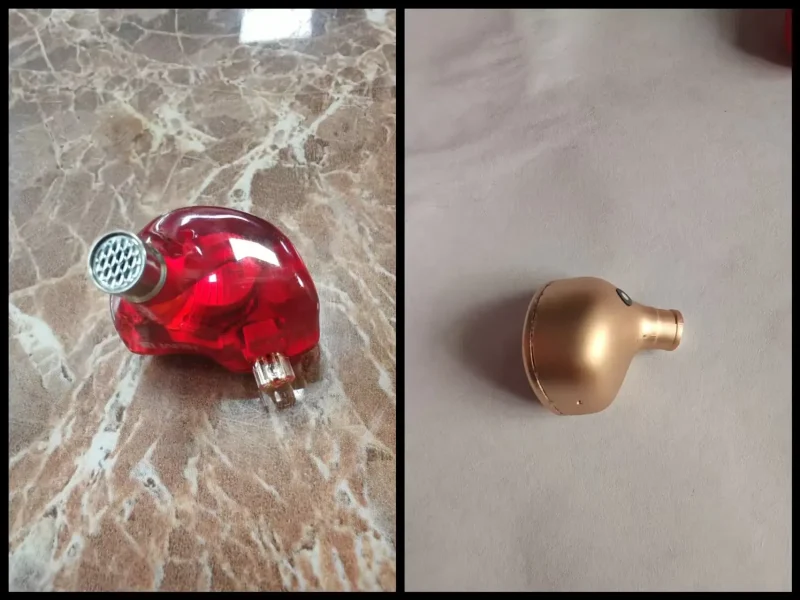
For brands built around visual identity, resin offers unmatched versatility. Brands can choose transparent, translucent, or fully opaque materials. During printing, manufacturers can infuse the resin with pigments, glitter, marble effects, or even embedded fabrics.This allows for highly distinctive “faceplates” and body designs that become signature elements of a brand’s visual language without requiring secondary painting processes that might chip or wear over time.
Acoustically, resin offers natural damping. It absorbs high-frequency reflections that often cause harshness or sibilance…. It absorbs high-frequency reflections that might otherwise cause harshness or sibilance, resulting in a smoother, more forgiving treble response. This makes resin an excellent choice for multi-driver configurations where managing internal standing waves is critical.
Zinc Alloy Shells: Precision Engineering Meets Premium Feel
CNC Machining for Unmatched Rigidity
CNC machining produces zinc alloy shells. This subtractive process mills solid zinc blocks to exact specifications. Manufacturers choose zinc alloy for its excellent machinability. It allows for tight tolerances and smooth surface finishes that rival stainless steel. Furthermore, it achieves this quality at a lower production cost.
The defining characteristic of a durable metal IEM housing like zinc alloy is its rigidity. Unlike resin, which has some flex, zinc alloy provides a completely inert acoustic chamber. This eliminates shell resonance entirely, ensuring that what you hear is purely the output of the driver without coloration from the housing itself. For engineers seeking absolute neutrality and detail retrieval, this inertness is invaluable.
Weight, Perception, and Market Positioning
There is a psychological component to weight in audio products. A heavier IEM signals substance, permanence, and luxury to the consumer. Zinc alloy delivers this premium heft naturally, making it the preferred choice for premium flagship custom IEM lines where perceived value is as important as sonic performance.
Acoustically, the density of zinc alloy reflects sound waves differently than resin. This can enhance bass impact and midrange presence, giving the sound signature a fuller, more authoritative character. Additionally, the thermal conductivity of metal provides a distinct cool-to-the-touch sensation upon insertion, further reinforcing the perception of high-end craftsmanship.
While generally heavier than resin, modern CNC techniques allow for strategic thinning in non-critical areas to manage weight without sacrificing structural integrity, offering a balanced compromise between solidity and comfort.
Making the Right Choice for Your Audio Brand
Ultimately, there is no universally superior material—only the right material for your specific product goals.
If your brand prioritizes ultra-lightweight comfort, complex organic shapes, vibrant aesthetic customization, and a smooth, damped acoustic signature, 3D printed resin remains the industry standard for versatile, high-performance IEMs.
However, if your target market demands the tangible reassurance of metal, you require absolute acoustic inertness for reference-grade monitoring, or you are positioning a product at the luxury end of the spectrum where perceived value drives purchase decisions, CNC zinc alloy offers compelling advantages that resin simply cannot replicate.
Many successful audio brands actually utilize both: resin for their core lineup focused on comfort and aesthetics, and zinc alloy for limited editions or flagship models where premium positioning justifies the higher manufacturing cost. Understanding these distinct characteristics allows you to strategically deploy each material where it will have maximum impact on both sound and brand perception.
Explore Our Premium Audio Solutions
To achieve the acoustic consistency and manufacturing precision outlined in our QC process, we offer a comprehensive range of customizable audio products tailored to your brand’s exact specifications.
[Custom IEM OEM Manufacturing Services]
[Professional Balanced Armature Drivers & Components]
Q&A
What acoustic tests do you perform before shipping?
Every batch undergoes frequency response testing against artificial ears, impedance and sensitivity checks for channel matching, and sample-based aging and drop testing to confirm long-term reliability.
What happens if a batch doesn’t meet your quality standard?
Depending on the defect type, the batch is either reworked, replaced from verified stock, or investigated through root cause analysis to prevent the issue from recurring in future production runs. You receive a full QC report either way.
See Our Process for Yourself
Quality claims are easy to make. We would rather show you. Request our Factory QC Video Tour to see the incoming inspection, acoustic testing, and final QC stages in action, or start a live chat with our team to discuss the specific compliance requirements for your target market.
IEM Quality Control: Flawless Custom Earphones
Custom IEM Private Label vs Ready-made?