A new buyer segment has emerged between the casual consumer and the working audio professional. They want the fit accuracy of a custom in-ear monitor and the freedom of a wireless connection, and they’re not willing to compromise on either. This is prosumer audio gear territory, and it’s reshaping how brands need to think about product tiers.
The Pro-Sumer Buyer Profile
This buyer isn’t a touring musician monitoring a click track, nor a casual commuter grabbing the cheapest option. Instead, they occupy a middle ground: serious about sound quality and willing to pay for it, but unwilling to accept the comfort compromises of universal-fit earphones.
These buyers typically research driver configurations before purchasing and understand the nuance between V-shaped consumer tuning and neutral reference curves. Having likely owned wired custom IEMs previously, they now demand that same fit quality without the cable constraint.
This is the demographic driving growth in the high-end wireless IEM market right now. They have disposable income, technical literacy, and high expectations — a combination that punishes generic products and rewards brands that get the details right.
Why Custom Fit + Wireless Is the Winning Formula
Custom fit solves a problem universal earphones never fully address: consistent seal, consistent isolation, and comfort during extended wear. Wireless solves a separate problem: freedom from cable management during daily use, travel, and casual listening sessions.
Neither alone satisfies this buyer. A universal-fit wireless earbud gets the mobility right but leaves fit and isolation inconsistent from one ear to the next. A custom wired IEM nails the fit but chains the listener to a cable they’ve grown tired of managing.
Custom fit earphones trends over the past two years show this convergence clearly — brands that once offered only wired custom shells are now fielding wireless variants, and demand is following. The buyer wants both, and the market is finally catching up to that expectation.
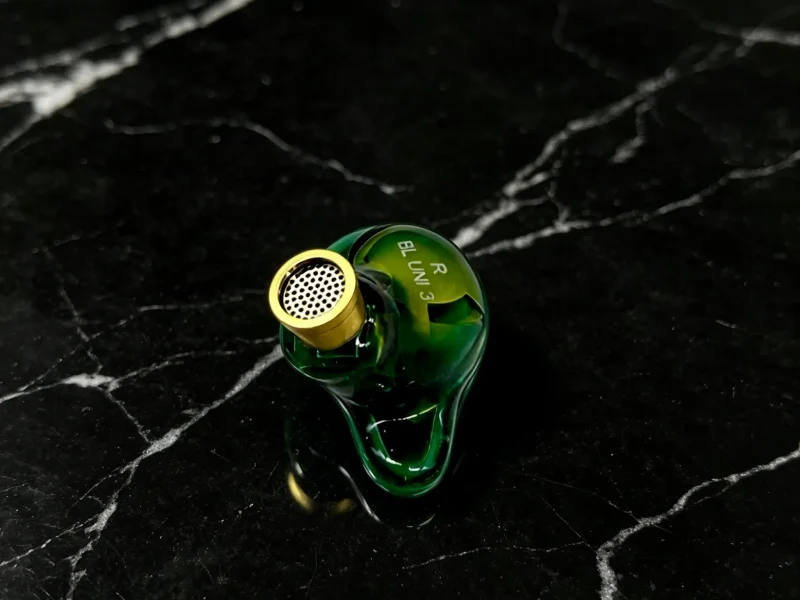
For brands building a reference-tier anchor product, a wired platform like [Blseeker 3-Driver Balanced IEM |Wireless In-Ear Monitoring Earbuds] still matters — it establishes the acoustic benchmark that any wireless variant gets measured against.
Where True Wireless Custom IEMs Fit In
True wireless custom IEMs aren’t a replacement for wired reference monitors. They’re a distinct product tier serving a distinct use case: daily listening, travel, and casual critical listening where cable freedom outweighs the need for zero-latency, uncompressed signal.
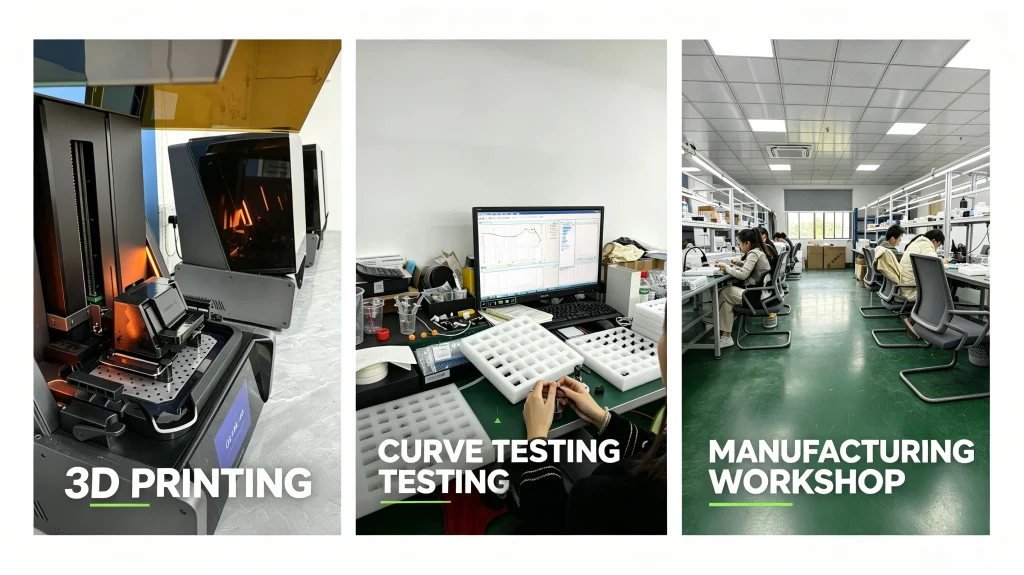
This is where next-gen in-ear monitors need to be positioned honestly. The engineering challenge is real — fitting a battery, Bluetooth module, and antenna into a shell shaped by ear anatomy rather than convenient housing space is harder than building a standard TWS earbud. Brands that get this right, with stable connections and sensible power management, earn real credibility with a buyer who already knows what a competent DSP tuning profile sounds like.
Audiophile wireless solutions succeed or fail on execution, not concept. The concept is proven. The differentiator is whether the acoustic tuning, fit engineering, and wireless stability actually hold up under a buyer who will notice if they don’t.
A well-executed platform like [Blseeker 3-Driver Balanced IEM |Wireless In-Ear Monitoring Earbuds] demonstrates what this tier looks like when fit precision and wireless engineering are treated as equally important design constraints, not one bolted onto the other.
Positioning Strategy for Brands & Distributors
Premium audio positioning in this category depends on resisting the urge to market wireless custom IEMs as a straight upgrade over wired. They’re not better — they’re different, suited to different moments in a buyer’s day.
The strongest positioning acknowledges trade-offs directly: battery life and charge cycles are real considerations, wireless codecs still introduce some latency compared to a direct wired signal, and a sealed wireless housing limits long-term repairability compared to a wired shell. Buyers in this segment respect transparency more than they respect a spec sheet with no caveats.
Brands that pair a wired reference model with a true wireless custom variant give this buyer a coherent product ecosystem — one they can move between depending on the task, rather than a single compromised product trying to do everything.
Get In Touch
If your brand is developing a wireless custom IEM line and needs a manufacturing partner who understands both acoustic tuning and wireless engineering constraints, reach out to discuss your specifications and timeline.
❓ FAQ
Is the prosumer segment big enough to justify a dedicated product line?
Growth in the high-end wireless IEM market over the past two years suggests yes, particularly for brands with an existing custom-fit product to build from.
Should wireless custom IEMs replace wired models in a product lineup?
No. They serve different use cases. The strongest lineups offer both rather than positioning one as a full replacement for the other.
What’s the biggest technical risk in true wireless custom IEM development?
Balancing battery, antenna, and Bluetooth module placement against limited internal shell volume without compromising acoustic chamber design.
How should brands talk about battery life and repairability honestly?
Acknowledge the trade-offs directly rather than overselling battery performance. Prosumer buyers respond better to transparency than inflated claims.