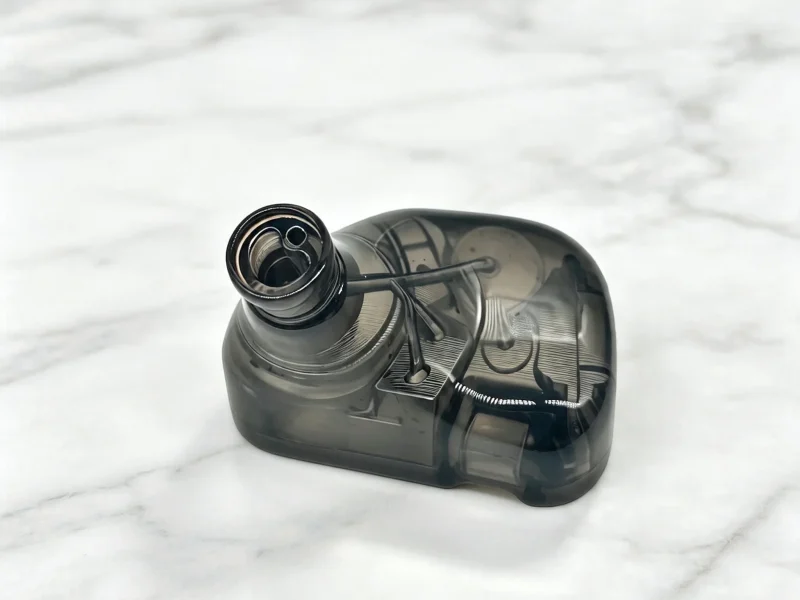
Motorsport and extreme sports environments push equipment limits. Standard consumer earphones simply cannot handle these conditions. Engine noise, wind, and impacts create sustained sound pressure levels. Consumer-grade earbuds were never designed to attenuate this. Furthermore, drivers and crew need reliable two-way communication. A dropped signal or garbled audio has serious operational consequences.
Motorsport custom earplugs and racing IEMs address these two requirements together — protection and communication — through purpose-built engineering, not adapted consumer hardware.
Noise Exposure in Motorsport and Extreme Sports
Cockpit and trackside noise levels in motorsport regularly exceed thresholds where sustained exposure causes measurable hearing damage over a season. Engine noise, tire contact, aerodynamic wind noise, and radio chatter combine into a high-SPL environment that differs significantly from typical industrial or consumer noise exposure profiles.
Extreme sports environments carry their own exposure patterns — wind noise at speed, mechanical noise from equipment, and event-level crowd or ambient noise for organisers and crew working trackside or course-side for extended periods. Both categories require sustained, reliable attenuation, not occasional or incidental noise reduction.
This is the baseline requirement any equipment supplier needs to design around: consistent protection across long exposure durations, not a spec that performs well in short bursts and degrades under sustained use.
Protection vs. Communication: What Buyers Should Specify
Buyers sourcing for motorsport or extreme sports applications need to separate two distinct requirements before specifying a product.
Passive protection refers to attenuation of ambient noise through physical shell and tip design — relevant for crew, marshals, and personnel who need noise reduction without active communication requirements.
Communication capability refers to integrated microphone and audio routing designed to work with a team radio, intercom, or race communication system — relevant for drivers, pit crew, and race engineers who need clear two-way audio on top of noise attenuation.
Some roles require both simultaneously. A driver needs noise attenuation from engine and wind noise and clear radio communication with the pit wall at the same time, which means the product has to be specified for both functions from the start rather than treated as a communication device with incidental noise reduction.
Explore our Racing IEMs for motorsport and high-noise communication applications.
Universal-Fit Custom IEM Design for Racing and Extreme Sports
It’s important to be clear about the product category here. This is universal-fit custom IEM design, engineered for consistent fit across a defined range of ear anatomy — not individual custom-moulded CIEMs built from personal ear impressions. Universal-fit design supports standardised production, predictable lead times, and batch consistency across team or fleet orders, which is what most B2B motorsport and extreme sports buyers actually need.
Shell geometry for this application prioritises stable retention under motion and vibration, comfortable extended wear under helmets or headsets, and consistent seal for noise attenuation across a working shift or race stint. The engineering priority is functional reliability across a group of users, not anatomical precision for a single individual.
Fit Stability Under Helmets, Headsets, and High Movement
Fit stability takes on different requirements in motorsport than in general consumer or fitness use. Equipment has to remain seated correctly under helmet pressure, alongside headset padding, and through sustained vibration from engine and road contact — conditions that don’t apply to casual wear scenarios.
Shell profile needs to sit low enough in the ear to avoid pressure conflicts with helmet padding, while still maintaining a secure seal for noise attenuation. Weight distribution and tip retention need to hold under sustained vibration exposure over a race distance or extended trackside shift, not just brief handling. Buyers specifying equipment for helmet-integrated use should confirm shell profile compatibility with their specific helmet models before committing to a production order.
Microphone, Cable, and Connector Considerations
Microphone type needs to match the application. Boom microphones suit applications requiring maximum speech clarity in high-noise environments; in-line or inline-cable microphones suit applications prioritising a lower-profile setup under helmets. The correct choice depends on the specific communication system and noise environment, not a default selection applied across every use case.
Cable routing and material matter just as much. Cable routing needs to account for helmet removal, harness routing, and movement patterns specific to the sport or role, avoiding snag points or strain at connection joints. Cable material needs to resist the specific environmental exposure involved — heat near engine bays, abrasion from harness contact, or repeated flexing from helmet removal cycles.
Connector type should be matched to the communication system in use. Different race communication systems, intercoms, and radio setups use different connector standards, and specifying the wrong connector type creates compatibility issues that surface only after equipment reaches the team or distributor. Buyers should confirm connector compatibility with their existing communication infrastructure before finalising a specification.
OEM/ODM Customisation for Motorsport Brands
Motorsport brands sourcing through OEM/ODM channels typically need more than a stock shell. For instance, custom models can be developed around specific communication systems. We can also adjust the shell profile for compatibility with specific helmet models. This ensures proper integration with harnesses or headsets. Additionally, we can address team-specific workflow needs, such as quick-connect requirements during pit stops.
Branding customisation is also available. This includes team colours, logos, and packaging. However, functional compatibility with your existing systems must be confirmed first. This factor affects shell design decisions more directly than branding does.
Request OEM/ODM motorsport custom earplugs for your brand, team, or distribution channel.
MOQ and Sourcing Notes
MOQ for motorsport and extreme sports OEM orders depends on shell complexity, microphone integration, and connector customisation. Buyers should expect a specification and sample approval process before a production order is confirmed, particularly for projects involving custom communication system integration or helmet-specific fit requirements. Lead times scale with the level of customisation involved — a standard universal-fit shell with existing connector options moves faster through production than a fully custom communication integration project.
Q&A
Is this a custom-moulded product requiring ear impressions?
No. This is universal-fit custom IEM design, engineered for consistent fit across a defined population range and suited to standardised B2B production and delivery, not individual ear-impression CIEMs.
Can these be built to work with our existing team radio or intercom system?
Yes. Microphone type, cable routing, and connector selection can be specified to match an existing communication system. Confirm your system’s connector standard and microphone requirements before specification.
Do you support helmet-specific fit compatibility?
Yes. Shell profile can be developed or adjusted for compatibility with specific helmet models. Provide helmet make and model details during the specification process.
What is the typical MOQ for a motorsport OEM order?
MOQ depends on shell complexity and customisation level, including microphone integration and connector type. Contact our OEM/ODM team for a specification-based quote.
Can you support both hearing protection and communication in a single product?
Yes. Products can be specified for combined passive noise attenuation and integrated communication capability, which is standard for driver and pit crew applications.
Related Articles:Sweatproof Custom IEMs: Secure Fit for Active Lifestyles