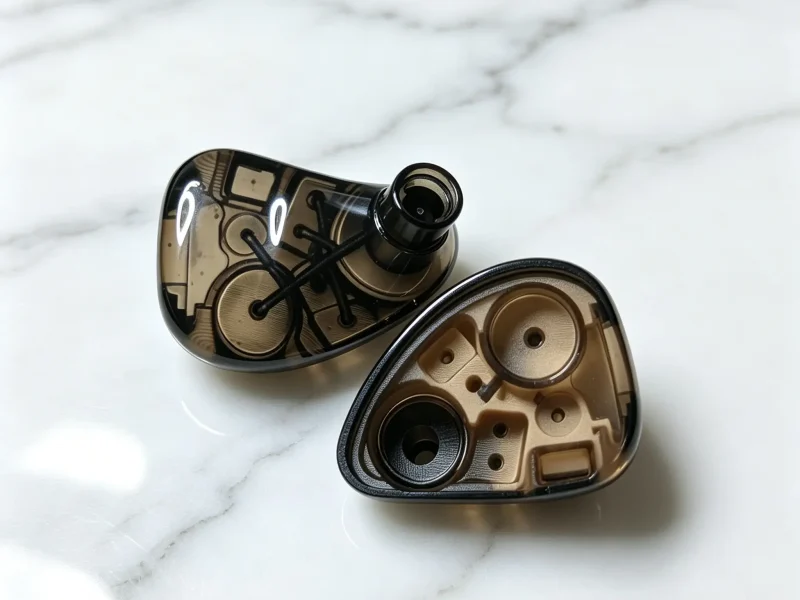
In the highly competitive professional audio, live performance, and HiFi sectors, Custom Molded In-Ear Monitors (CIEM) have become a core product for brand differentiation. For emerging audio brands and cross-border buyers, finding reliable CIEM manufacturers and securing Low MOQ Custom IEM OEM resources for small-batch mass production is critical for brand launch and market positioning. This guide covers sourcing channels, core manufacturing technologies, and procurement standards to provide a professional B2B reference.
1. Core Value of Custom CIEMs: Enabling Brand Differentiation
Unlike universal-fit earphones, custom-molded IEMs offer personalized ergonomic fitting and professional acoustic performance. Custom ear shells are shaped to the user’s exact ear anatomy, completely resolving common pain points like long-term wearing discomfort, poor sound isolation, and earpiece slippage during movement. Paired with professional dynamic drivers, they deliver pure vocals, precise soundstage, and low-distortion output, perfectly adapting to stage monitoring, studio recording, and HiFi listening.
For B2B buyers, small-batch OEM customization allows brands to launch exclusive products without massive mold-opening costs. This effectively reduces the risk of new product trials and meets the operational needs of small-batch distribution and niche high-end market penetration. To start building your exclusive product line, you can explore our [low MOQ custom IEM OEM solutions] for flexible manufacturing services.
2. Comparing CIEM Sourcing Channels: Selecting Reliable Low MOQ Suppliers
Global CIEM production is heavily concentrated in China. Quality Chinese IEM factories, with their mature processes and flexible OEM solutions, are the preferred sourcing destination. There are three main types of suppliers:
- Large Standardized Factories (For Mass Production): These factories feature automated production lines and mature quality control. However, they lack customization flexibility. Private mold-opening MOQs are typically high (500-1000 units), making them unsuitable for startups needing small-batch trials.
- Mid-Sized Specialized CIEM Factories (The Core Choice for Low MOQ): Focusing on the custom-molded IEM niche, these factories are the optimal choice for small-batch OEM. They can flexibly handle trial orders as low as dozens of units, providing end-to-end customization from shell design and acoustic parameters to brand logos. They are highly cost-effective and reliable suppliers.
- Cross-Border Trading Middlemen (For Emergency Restocking): While they offer diverse product categories, they suffer from long communication chains, weak process control, and price markups. They cannot achieve fine acoustic tuning and are not recommended for long-term OEM partnerships.
3. Core Customization Technologies: Building Product Competitiveness
The core competitiveness of premium custom IEMs stems from refined manufacturing processes and professional acoustic configurations:
1. 3D Printed Custom Ear Shell Technology
Traditional manual molding suffers from high errors, long cycles, and high costs. 3D printing has become the mainstream for premium CIEMs. High-precision 3D scanning captures ear data for rapid modeling and printing, keeping shell fitting errors to a minimum and significantly improving sound isolation. It requires no expensive mold fees, supports personalized surface designs, and offers controllable costs for small batches.
2. Single Dynamic Driver Acoustic Configuration
Single dynamic driver OEM IEMs are a classic and highly accepted acoustic solution. They offer fast transient response, realistic vocal reproduction, uniform soundstage, and low distortion. Factories can customize driver size, frequency response range, impedance, and sensitivity, pairing them with exclusive acoustic tuning to create a unique brand sound signature.
3. Comprehensive Brand Customization Services
Premium OEM suppliers offer one-stop services, including laser engraving/silk-screening of brand logos, custom colorways, exclusive cable matching, and custom packaging. This helps brands build a high-end product image for retail, co-branding, and corporate gifting.
4. Four Key Standards for Selecting Low MOQ CIEM OEM Partners
When screening factories, B2B buyers should focus on process capabilities rather than just price:
- Low MOQ Policy: Prioritize factories supporting small-batch trials with no high mold-opening fees.
- Core Process Capabilities: Verify capabilities in 3D printed private molding, acoustic tuning, and single dynamic driver integration.
- Quality Control & Certifications: Ensure the factory has complete production qualifications, audio testing reports, and aging test processes.
- Delivery & After-Sales System: Confirm controllable lead times, sample verification support, and batch after-sales guarantees.
5. Q&A Zone
Q1: As a startup audio brand with no custom experience, what is the minimum order quantity for custom CIEMs?
A: Professional OEM factories support low MOQ custom IEM services tailored for startups. Without large mold investments, you can place small-batch trial orders (as low as dozens of units). This flexible approach minimizes trial-and-error costs while providing one-on-one process alignment, acoustic tuning, and logo customization.
Q2: What are the advantages of 3D printed custom ear shells? Are they more cost-effective than traditional molding?
A: 3D printing eliminates traditional mold fees and offers higher precision, resulting in better fit and sound isolation. It also features shorter production cycles and extreme design flexibility. For small-batch premium customization, its comprehensive cost-effectiveness far exceeds traditional molding, making it the mainstream choice.
Q3: Can you provide acoustic tuning for single dynamic drivers and exclusive brand customization?
A: Yes. We support full-process customization based on single dynamic driver OEM IEMs, tuning frequency response, soundstage, and vocal gain to create your unique sound signature. We also handle logo engraving, colorways, cables, and packaging for one-stop OEM deployment.
Q4: How do you ensure quality consistency across a batch of custom CIEMs?
A: We maintain a standardized QC system. Every step, from 3D modeling and driver assembly to acoustic tuning and final testing, undergoes strict inspection. All batch products pass audio distortion tests, fit checks, and aging tests. We also support sample verification before mass production to guarantee consistent quality.
For more insights on choosing the right materials for your brand, read our detailed guide on [3D Resin vs. Zinc Alloy IEM Shells] to determine the best fit for your target market.
Related Reading: